The Opener is in the Books: A Guide to Spring Fishing Success on Lake Winnibigoshish

The wait is finally over. The roar of outboard motors has officially signaled the start of the season at Lake Winnibigoshish. As any Winnie veteran knows, the Opener is more than just the start of a season; it is a high-stakes homecoming to one of the greatest walleye factories in the world. This year, the Opener coincided with Mother’s Day, making for a bustling weekend of family traditions and heavy livewells. While the weather always likes to keep us guessing in Northern Minnesota, the initial reports are in, and the message is clear: the fish are active, they are shallow, and the spring bite is officially "on." Now that the initial rush has settled, we are entering one of the most productive windows of the year.
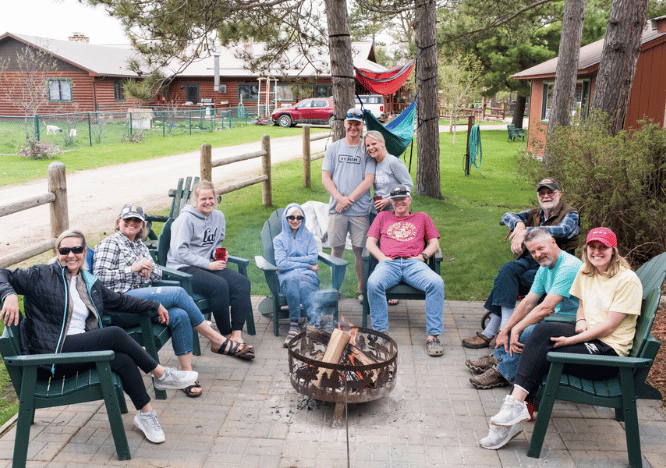
The atmosphere around the lake this past weekend was one of pure Northwoods nostalgia. Families gathered at our member resorts, docks were lined with eager youngsters, and the cleaning shacks were humming by mid-afternoon. If you were out on the water, you likely noticed that while the bite was strong, it required a bit of tactical adjustment. Based on the data coming off the water over the weekend, the walleyes are behaving exactly as we expect during a prime spring transition. With water temperatures still lingering in that cool, early-May range, the fish are firmly in their post-spawn patterns and looking to feed aggressively to recover from the rigors of the spring.
Understanding the Early Season Fishing Report
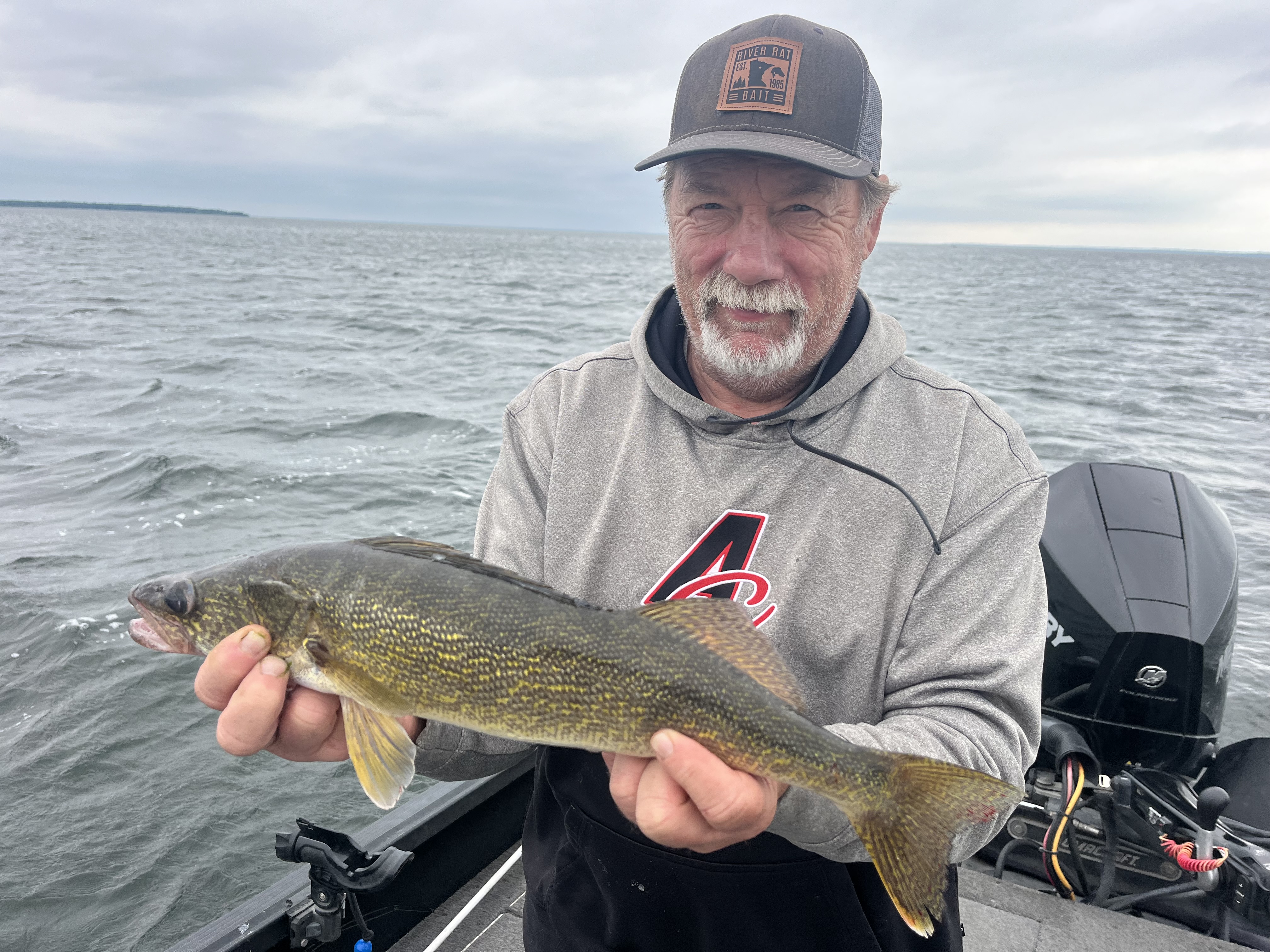
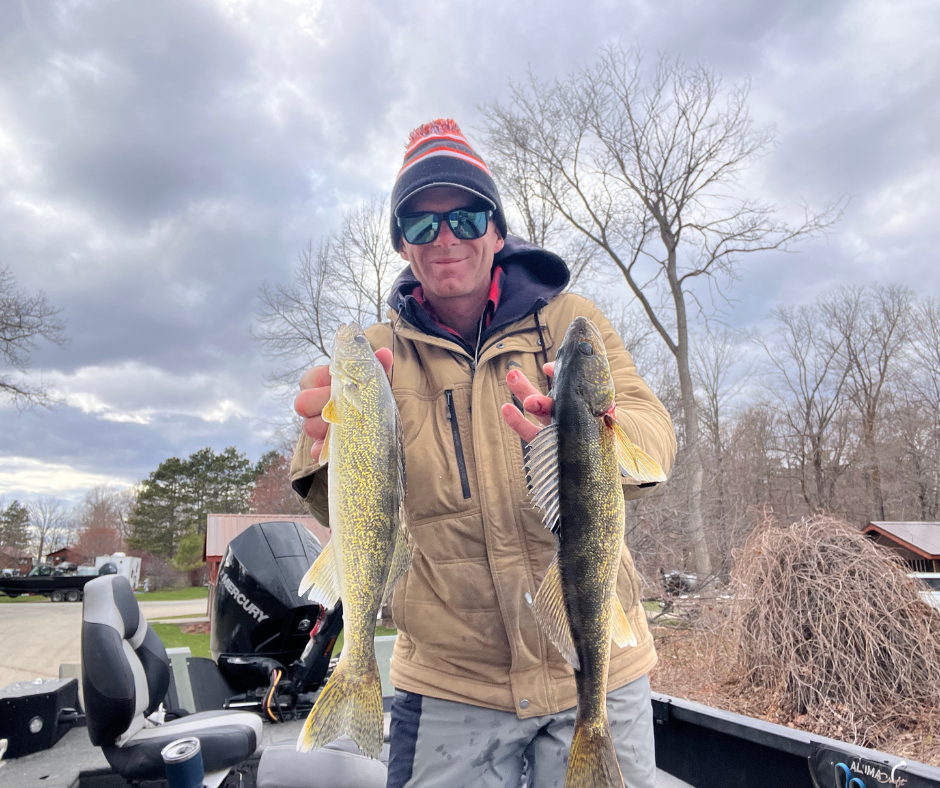
The primary takeaway from the past few days is that depth is the most critical factor in your success. Most successful reports from the weekend were centered in depths of 6 to 12 feet. In the spring, walleyes don’t feel the need to hide in the deep, dark humps of the mid-lake. Instead, they are taking advantage of the oxygen-rich, sun-warmed shallows where life is just starting to stir. The bite has been steady, though it remains somewhat window-dependent. The best action occurred during low-light periods in the early morning and late evening, or during those perfect moments when a steady "Winnie Chop" stirred up the shallow water and gave the fish the cover they needed to hunt.
While walleye are what brings folks to Lake Winnie, they aren't the only ones roaming the shorelines. Northern pike are proving exceptionally aggressive in the shallows right now, providing plenty of action for those looking for a fight. Additionally, jumbo perch are starting to show up in the same sandy flats as the walleye. This creates a multi-species opportunity that is hard to beat. The key takeaway for anyone heading out this week is movement. The fish aren't necessarily stacked in massive, stationary schools yet. Instead, they are cruising the shorelines and the first break-lines. If you aren't finding fish in one spot, don't be afraid to keep the electric motor running and cover some ground until you find an active pod of fish.
Why Lake Winnie is a Spring Walleye Factory
Lake Winnibigoshish is legendary for a reason. Its unique bowl-like structure, vast flats, and gravel bars make it a perfect habitat for walleyes, especially in the spring when the lake’s geography works in the angler's favor. Unlike the heat of summer when fish might retreat to deep humps that require sophisticated electronics to navigate, spring fish are highly accessible to everyone from the pro angler to the family in a simple 16-foot tiller. To find them right now, you simply need to understand the relationship between water temperature and the wind.
In May, a couple of degrees can make a world of difference in fish activity. It pays to check the north shorelines first. Because these areas receive the most direct sunlight throughout the day, the water warms up slightly faster there than in the shaded southern reaches. This slight bump in temperature attracts minnows and other forage, and the walleyes are never far behind the food. You should also keep a keen eye out for areas with incoming water, such as tributaries, small creeks, or even culverts. These spots are oxygen-rich magnets for hungry fish and often hold some of the highest concentrations of walleye in the early part of the season.
The "Winnie Chop" is another local phenomenon that every spring angler should learn to love. When the lake is glass-calm and the sun is high, the shallow spring bite can get notoriously tough. Because Winnie is such a clear-water lake, walleyes are extremely light-sensitive. They don't like to be in 8 feet of water when the sun is beating down on them unless there is some surface disturbance. A steady breeze creates that famous chop, which breaks up light penetration and stirs up the bottom. If the wind is blowing into a specific shoreline or point, that is exactly where you want to be. The wind pushes the plankton, which in turn pushes the baitfish, creating a natural feeding frenzy that can last all day long if the wind holds.
Perfecting Your Spring Tactics and Presentation
When it comes to actually putting fish in the boat, spring fishing on Winnie is a game of finesse and patience. The reigning champion of presentations remains the simple jig and minnow. If you look at most boats on the water right now, they have a jig tied on because it is arguably the most effective tool for the job. The choice of bait is equally important. If you can find them at the local bait shops, use Shiners. They are the natural primary forage in Lake Winnie, and their silver flash is something a walleye simply cannot resist. If Shiners are scarce, a lively fathead minnow or a rainbow will still get the job done, provided you keep the presentation natural.
The weight of your jig is a detail that many anglers overlook, but it makes a huge difference in the spring. You want to keep your jig as light as possible while still maintaining contact with the bottom. A 1/8 oz version is the standard for these 6 to 12-foot depths. However, you may need to move up to a 1/4 oz if the wind is really pushing your boat or the current is strong. There is no need to overwork the bait with aggressive jigging motions. A slow, rhythmic lift and drop as you drift or slowly back-troll is often all it takes to trigger a strike. Colors like chartreuse, pink, and glow are staple favorites on this lake, but gold is a highly underrated choice that mimics the natural flash of a shiner perfectly.
If you find that the fish seem scattered across a large, expansive flat rather than huddled on a specific point, it might be time to switch to a Lindy Rig. This presentation features a long snell with a plain hook and a lively minnow, allowing the bait to swim naturally and cover more territory as you move. It’s a great search tool for finding those roaming pods of fish. Alternatively, if you find a concentrated group of fish on a specific rock pile or a small, well-defined point, don't be afraid to drop the anchor and throw out a slip bobber. There is a specific kind of magic in watching a bobber disappear under the surface, and it allows you to keep your bait perfectly suspended in the strike zone without the risk of snagging on the bottom.
Stewardship and the Future of the Lake
As we enjoy the thrill of a successful spring season, it’s vital to remember our role as stewards of this incredible resource. Lake Winnie has specific regulations regarding walleye size to ensure the population remains healthy and vibrant for generations to come. The "slot limit" is a management tool designed to protect the breeding females that keep the lake's population strong. Before you hit the water, always take a moment to verify the current DNR regulations. Knowing the rules not only keeps you legal but ensures that the incredible fishing we enjoy today will be there for our children and grandchildren.
If you do catch a fish that falls within the protected slot, handle it with the utmost care. These are the future of our fishery. Try to keep the fish in the water as much as possible while removing the hook, and use a net with a rubber mesh to protect the fish's delicate slime coat. A quick release is the best way to ensure the fish returns to the water healthy and ready to spawn again. While we all love a fresh walleye shore lunch, consider practicing selective harvest by keeping the smaller, more abundant "eaters" and letting those larger, prime spawners go. This balanced approach is what makes Lake Winnie one of the most resilient and productive lakes in the entire state of Minnesota.
Exploring the Full Variety of the Northwoods
While walleyes certainly get the headlines and the lion's share of the attention, don't sleep on the rest of Winnie’s fish population during your spring trip. Northern Pike are extremely active in the shallows right now, recovering from their own spawning season. They are a blast to catch on light tackle and can provide a lot of excitement for younger anglers who just want to see the drag scream. Many locals have also learned that if you know how to remove the "Y-bones," Pike can rival walleye in flavor and texture.
Likewise, jumbo perch are following the walleyes onto the flats. These "gold nuggets" are a favorite for many of our resort guests. If you find yourself catching a lot of small walleyes in a particular area, stay put—often the jumbo perch are mixed right in with them, scavenging the same food sources. A smaller jig tipped with a piece of a minnow or a wax worm is often the ticket for filling a bucket with these tasty fish. Spring is truly a time of abundance on Lake Winnie, and being open to catching whatever is biting can lead to some of the most memorable days on the water.
The Advantage of the Resort Experience
Choosing to stay at a member resort of the Lake Winnie Resort Association is the best way to ensure your spring trip is a success. Fishing a lake of this size can be intimidating, but staying at a resort levels the playing field. You can spend hours staring at a high-definition depth finder and still feel lost, or you can spend five minutes talking to your resort owner over a cup of coffee. These owners live and breathe these waters; they know where the bite was yesterday, what color jig is currently outperforming the rest, and which side of the lake offers the best protection from an incoming north wind. That "dock talk" is an invaluable resource that you simply won't find at a public launch.
In the spring, the weather in Northern Minnesota changes with incredible speed. Being able to run your boat back to a protected slip and walk into a warm, dry cabin for a quick lunch or a change of clothes is a game-changer for your comfort and your morale. Our resorts are designed to cater to the needs of anglers, offering top-tier fish cleaning facilities, premium bait, and high-quality boat rentals that are rigged and ready for the specific challenges of Winnie’s waters. It’s about more than just a place to sleep; it’s about being part of a community that shares your passion for the outdoors.
Preparing for the Unpredictable Northwoods Spring
As you pack your gear for a spring adventure, remember that May in the Northwoods can give you four seasons in a single afternoon. Being prepared is the key to staying on the water when the fishing gets good. Make sure your boat is packed with high-quality rain gear—not just to keep you dry during a passing shower, but to act as a crucial windbreaker on those long runs across the lake. Layers are your best friend this time of year. Fleece and wool are the preferred materials because they retain heat even if they get damp. Avoid cotton at all costs, as it stays wet and cold, which can lead to a very short day on the water.
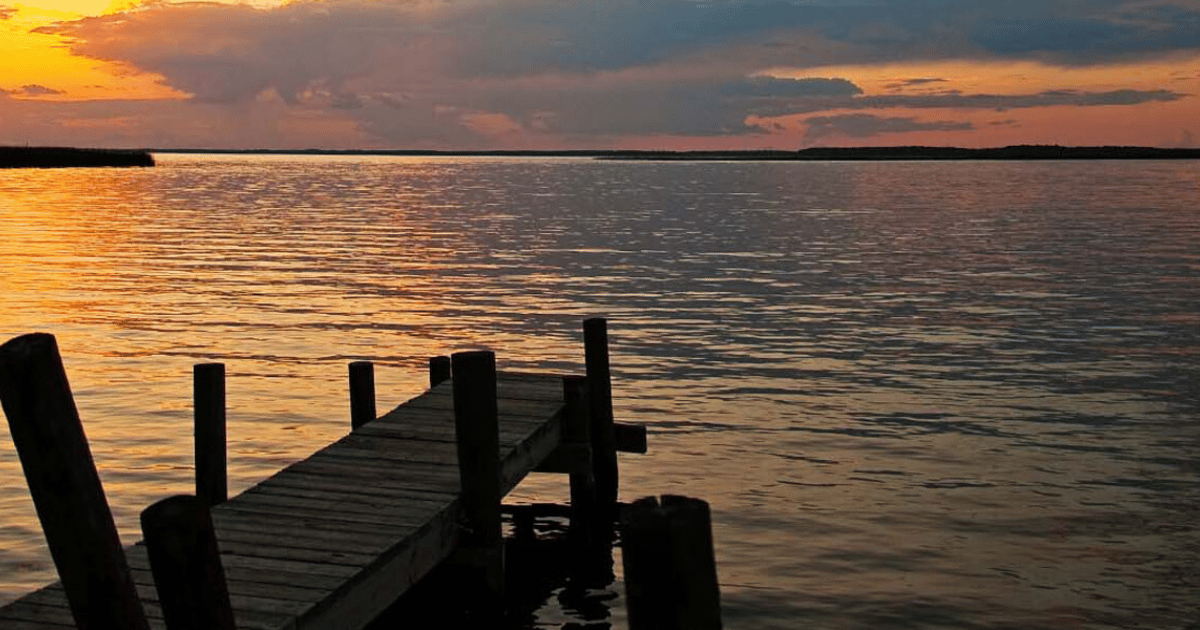
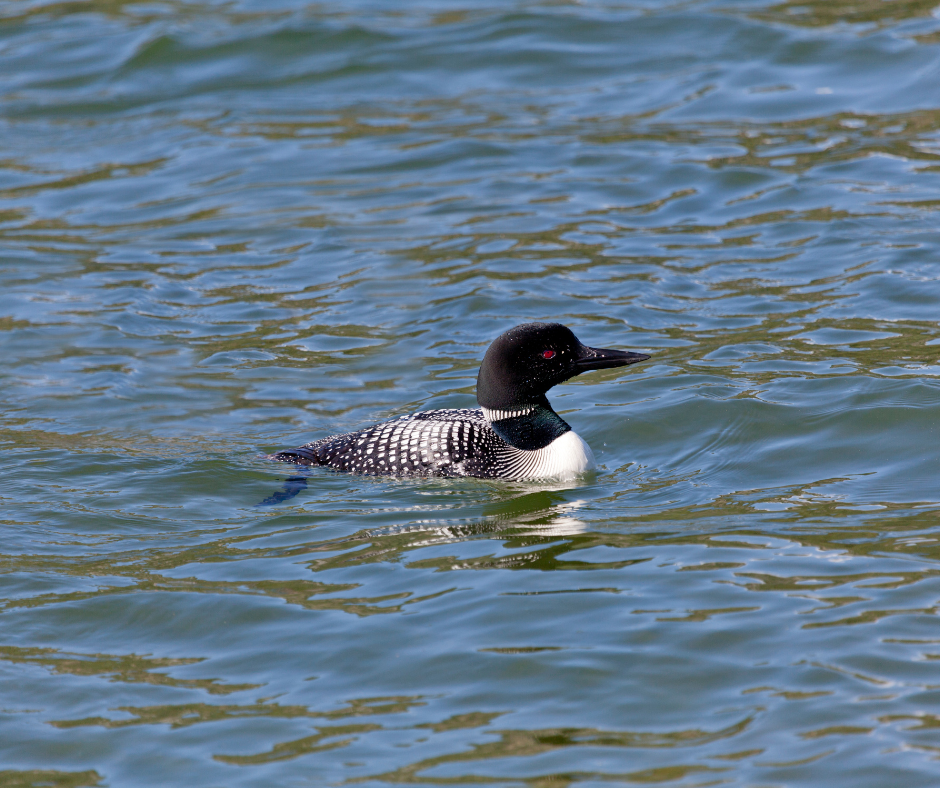
Polarized sunglasses are another essential tool that many people forget. They aren't just for style; they allow you to see through the surface glare and identify the transitions in the lake bottom where fish like to congregate. Finally, make sure you have a reliable, long-handled net. Spring walleyes can be surprisingly frisky, and having a good net ensures that you don't lose that trophy at the side of the boat. With the right gear and the right mindset, you’ll find that there is something profoundly peaceful about Lake Winnie in the weeks following the Opener. The initial rush of the crowd thins out, the loons are calling across the water, and the fishing only gets better as the water begins its slow climb toward summer temperatures.
Whether you are a seasoned pro chasing a limit or a family looking to start a new tradition, spring on Lake Winnie offers an opportunity to reconnect with the Northwoods and enjoy some of the best freshwater fishing in the world. The fish are shallow, the resorts are ready, and the lake is waiting for you to make your first cast of the season.