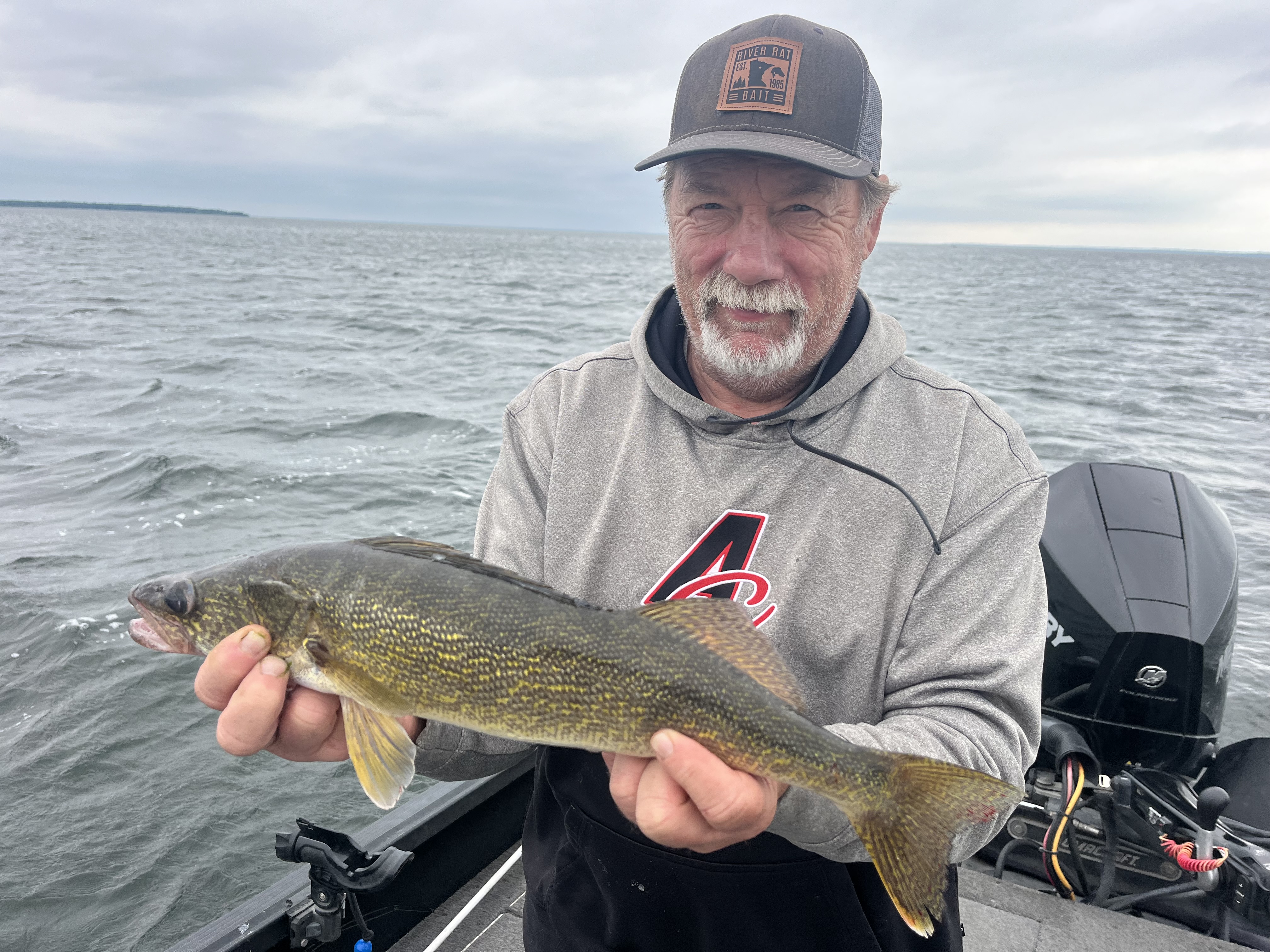
Mid-June Through July is Peak Northwoods Action
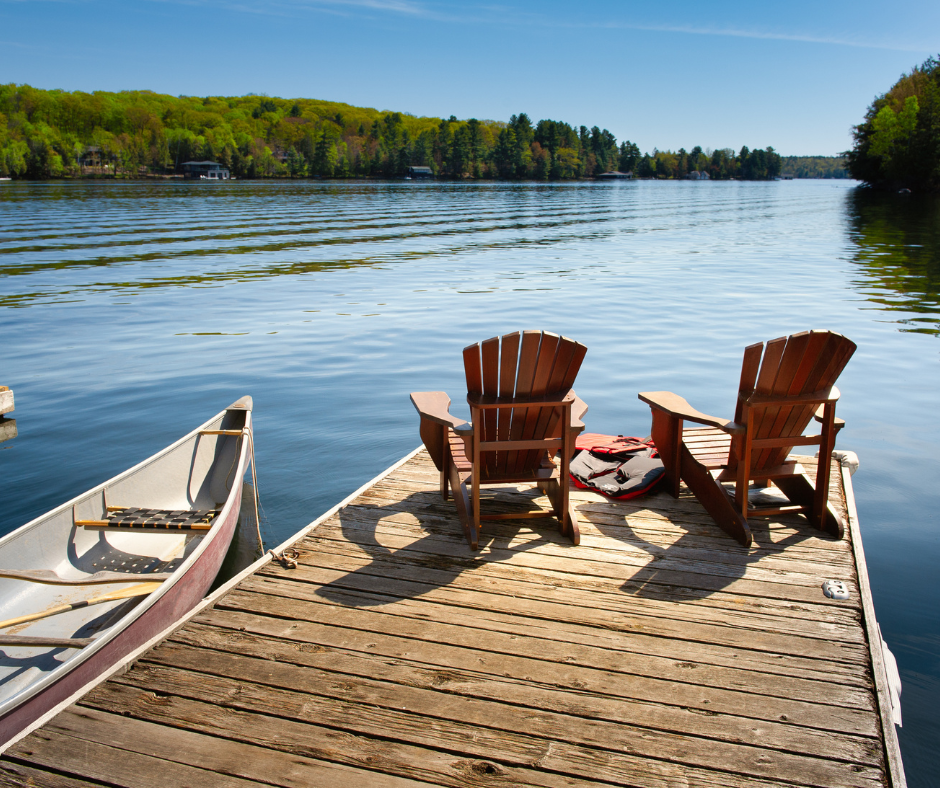
There is a specific week every year when the Minnesota Northwoods hits its stride. It isn’t during the unpredictable early May, it happens right now, from mid-June through the end of July.
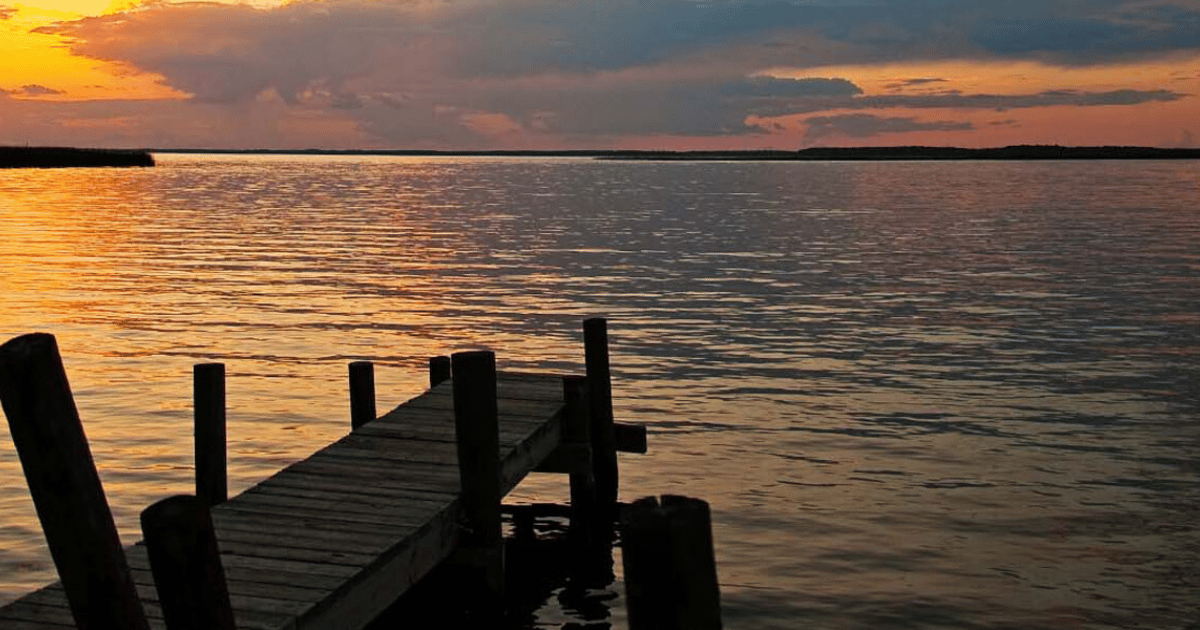
By 5:30 AM, the morning mist has cleared off the water. Daytime temperatures settle into the mid-to-high 70s with a steady, cool pine breeze. Because the sun doesn’t set until past 9:00 PM, you get massive, golden-hour windows to fish, boat, and explore.
Welcome to summer on Lake Winnie.
Covering over 67,000 acres, and completely surrounded by the rugged Chippewa National Forest, Lake Winnie is the fourth-largest lake in Minnesota. It is a legendary wilderness playground. Whether you are hunting for a trophy walleye, mapping out a kayak route, or getting away from the sweltering city heat, the Lake Winnie Resort Association is your ticket to the best of the outdoors!
Peak summer slots fill up fast. Here is why the mid-June through July window is the ultimate time to pack your gear, haul the boat, and head north.
The Summer Walleye Bite
If you are a serious angler, Lake Winnie is a bucket-list destination. The lake's massive size, diverse structure, and heavy forage base create a world-class freshwater fishery. While spring fishing forces you to battle volatile weather and cold water in the shallows, mid-June through July brings stable water temperatures. This drives baitfish-and the heavy predators chasing them-into predictable summer feeding patterns.
Cracking the Offshore Walleye Structure
During this mid-summer stretch, Lake Winnie’s walleyes abandon the shallow spring bays and head out to the legendary offshore structures. This is the prime season to work the bars, flats, and mid-lake humps. Local resort owners and guides recommend targeting major structural features like Center Bar, Bena Bar, Muskrat Shore, High Banks, and the deep drop-offs around Sugar Point.
- The Daytime Strategy: When the mid-day July sun is high, walleyes head for deep water and the edges of expansive weed beds. Trolling spinner rigs tipped with nightcrawlers or fat leeches along the 14-to-18-foot transitions is a reliable way to put fish in the livewell. Maintain a speed of 1.2 to 1.5 mph, and use enough weight to keep your bait tracking right along the transition lines where the sand meets the mud flats.
- The Low-Light Push: As the sun hits the tree line, schools of walleye move right up onto the shallow tops of the flats to feed. Jigging with fathead minnows or rigging slip bobbers over rock piles in 6 to 9 feet of water will keep your rods bent right up until dark.
Mastering the Leadcore and Crankbait Transition
As July progresses and the summer heat stabilizes the thermocline, a distinct mid-summer pattern emerges: trolling deep-running crankbaits. For anglers looking to cover water and target aggressive, active fish, pulling plug lines across the massive mid-lake flats is highly effective.
Pulling #5 or #7 Shad Raps or Flicker Shads over the hard-to-soft bottom transitions accounts for some of the heaviest multi-fish limits of the season. If the fish push deeper into the 20-to-24-foot trenches between the main bars, switching to leadcore line allows you to present your lures precisely at their eye level. It is a highly active, mechanical style of fishing that rewards anglers who study their electronics and map out precise trolling tracks.
Targeting Jumbo Perch and Northern Pike
While walleye might be the primary target for many anglers pulling into a Lake Winnie resort marina, they are far from the only game in town. The mid-summer months unlock world-class multi-species action across the entire basin.
Hunting for Jumbo Perch
For fast, non-stop action, Winnie’s jumbo perch are legendary in July. These aren't small panfish-Winnie routinely produces heavy, thick-bodied perch scaling past 12 inches. Look for them feeding aggressively over the mud flats and expansive sand transitions.
- The Setup: Drop a light 1/8-ounce or 1/16-ounce jig tipped with a fathead minnow or a piece of nightcrawler straight to the bottom.
- The Technique: Give it a subtle lift-and-drop action to stir up the silt on the bottom. This mimics the insect larvae the perch are hunting. When you find a school, the action is fast and furious, allowing you to quickly lock in a classic Northwoods fish fry back at the cabin.
Trolling and Casting for Mid-Summer Northern Pike
If you want to test your drag, Lake Winnie’s northern pike population is highly active from mid-June through July. As the weed beds lock into their full summer growth, massive cabbage stands in bays like Plughat Bay, Raven's Bay, and Tamarack Bay become prime hunting grounds for big pike.
Casting large inline spinners, heavy spoons, or bucktails right over the tops of the cabbage will trigger violent strikes from fish hiding in the vegetation. For deeper structure, trolling large, deep-diving minnow baits along the sharp drop-offs of the main lake bars will put you in contact with the heavy, deep-water pike that shadow the walleye schools.
Exploring the Chippewa National Forest
When you aren't on the water, Lake Winnie places you directly inside one of Minnesota's most rugged public land expanses. Much of the lake's shoreline is protected and entirely undeveloped, managed strictly by the Chippewa National Forest. You won't find a wall of mega-mansions here-just miles of old-growth white pines, red oaks, and raw shoreline.
Trails and Wilderness Walking
- The Lost 40 Trail: For a solid ground trek, head to the nearby Lost 40. This unique tract of land escaped early logging lines due to a surveying error in the late 1800s, leaving a rare, untouched pocket of ancient forest. You can hike right through red and white pines that are over 300 years old and measure more than 100 feet tall.
- The Suomi Hills Trail Network: Located just a short drive from the lake, this trail network offers over 21 miles of rugged, rolling trails that cut through remote glacial lakes and dense hardwood forests. It is a prime destination for mountain biking, trail running, or a demanding day hike.
- Eagle Country: The Chippewa National Forest holds one of the highest nesting bald eagle populations in the lower 48 states. Watch the sky-you will routinely spot these birds hunting along the bays or perched in the high pine canopy. The quiet, undeveloped bays on the west side of Winnie are also prime spots for tracking river otters, black bears, white-tailed deer, and trumpeter swans.
The Real Resort Experience
A stay with a Lake Winnie Resort Association member isn't about sitting in an air-conditioned hotel room staring at a screen. It’s an active, outdoor lifestyle centered around the lake:
- The Launching Point: Step out of your cabin and straight onto a protected boat dock. No hauling trailers down public roads every morning, battling crowded public ramps, or worrying about changing weather conditions overnight.
- Water Exploration: Most member resorts provide instant access to kayaks, paddleboards, and utility boats so you can map out the shoreline, explore hidden inlets, and fish the quiet back bays at your own pace.
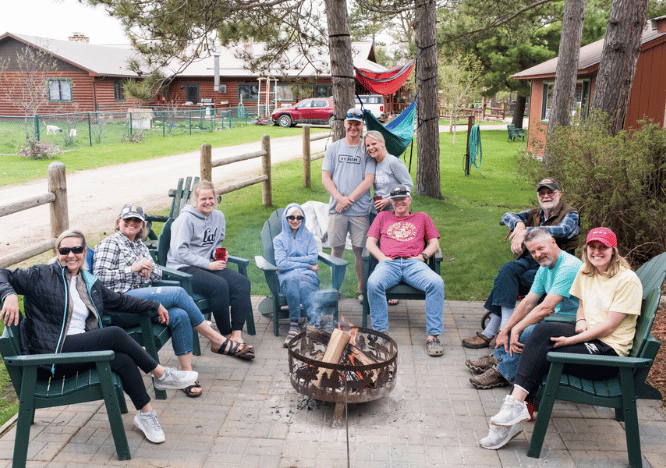
- The Evening Breakdown: After a 10-hour day on the water, head to your resort's dedicated, screened-in fish-cleaning houses to prep your catch. Swap bait tips, coordinates, and color choices with other anglers up at the lodge, and wind down the night around a lakeside campfire under a clear northern sky.
Lodging Styles on the Water
The Lake Winnie Resort Association connects you with independently owned, family-run properties built specifically for outdoor enthusiasts, fishermen, and active families.
1. Traditional Modern Cabins & Lodges
If you want a comfortable place to recharge after a grueling day on the water, our member resorts offer cabins of all sizes for any need. You get full kitchens to cook your own meals, clean beds, hot showers, air conditioning for warm July nights, and decks built right over the lake view. Properties range from simple, efficient 1-bedroom cabins for fishing buddies to sprawling log lodges built for big multi-family groups.
2. Full-Hookup RV Sites
Prefer to haul your own camp setup? Many resorts feature level, full-hookup RV sites carved directly into the pine canopy. You get full access to the resort's private docks, boat launches, beaches, and lodge facilities. It is the ultimate way to camp without sacrificing the convenience of a managed harbor.
3. Dedicated Marina Services
The marina setups on Lake Winnie are built by fishermen, for fishermen.
- Rentals: If you aren't bringing your own rig, many of our resorts rent equipped fishing boats.
- Bait and Fuel: Avoid wasting prime fishing time driving into town. Get fresh leeches, nightcrawlers, specialized summer minnows, premium non-oxygenated fuel, and direct, no-nonsense fishing reports straight from the resort owners who track the bite daily.
Hit the Road: Easy Access to Deep Wilderness
One of the best parts about a Lake Winnie trip is how quickly you can get your lines in the water. While it feels completely remote and untamed, it is a straightforward drive from major Midwest hubs via well-maintained highways:
- From the Twin Cities: Drive straight north up US-169 N or I-34 W to Grand Rapids, then head north. You can go from the metro to the boat ramp in under 3.5 hours.
- From Duluth: Head west on US-2 for a quick, 2-hour drive right into the heart of lake country, passing straight through Deer River.
- From Fargo/Grand Forks: Run east for 2.5 to 3 hours across the scenic US-2 northern corridor, bringing you right along the southern shores of the lake.
You are perfectly positioned near local towns like Deer River, Ball Club, and Bena for quick bait runs, propane refills, and local diners, while the city of Grand Rapids is just a short drive southeast for major supply stops, local craft breweries, and fully stocked outdoor retail shops.
Lock in Your Cabin Before the Season Fills Up
Summer in the Northwoods moves fast, and the prime fishing and weather window from mid-June through July is highly time-sensitive. This is when the water temperature is right, the fish are locked into stable offshore patterns, and the days are long enough to maximize every single hour you spend in the woods and on the water.
Our independent resorts are booking out their remaining cabins, rental boats, and RV sites for the peak summer months right now.
Don't spend your summer watching other people's fishing reports or waiting until next year to get into the wild. Pack your rods, grab your gear, and claim your spot on the water!
Ready to Plan the Trip?
Click the link below to search our active resort directory! Find the resort that best fits your needs, then make your reservation!